
Optimal Timing for Storm Restorations
Storm restorations are most effective when performed during periods of stable weather, typically outside of storm seasons. Proper timing ensures safety, efficiency, and durability of repairs, reducing the risk of re-injury from subsequent weather events.
This period often sees milder weather, making it ideal for completing storm restoration projects before the peak storm season begins.
Performing restorations during this time can help prepare properties for upcoming storms and reduce damage risk.
Winter months are generally less suitable due to potential weather disruptions, but in some regions, mild winters may allow for work to continue.
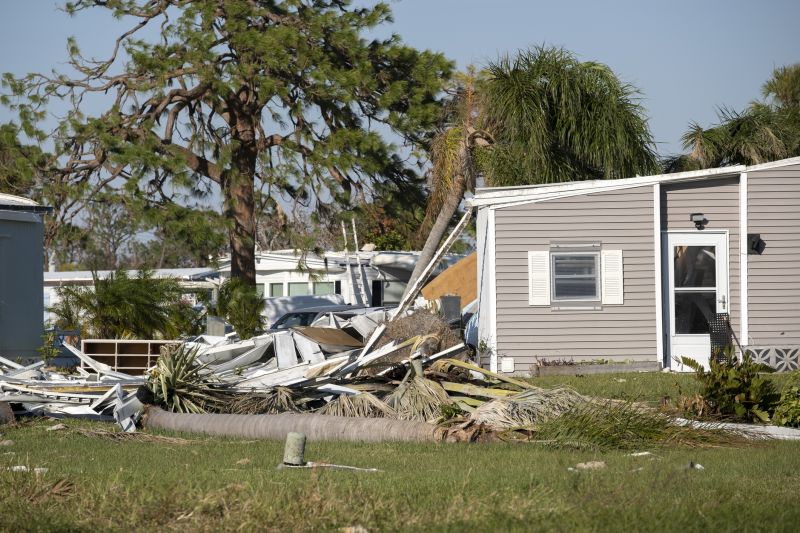
Inspecting properties after storms to evaluate damage and plan restoration efforts.

Proactive repairs and reinforcement to minimize storm impact.
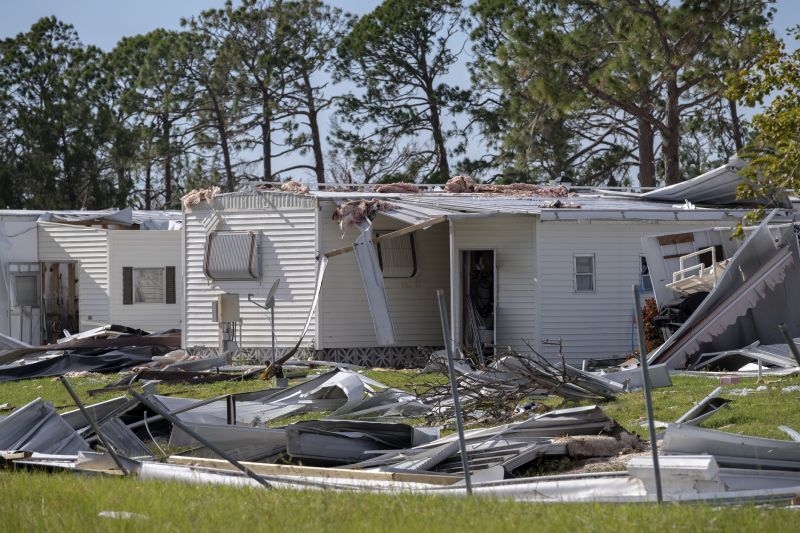
Restoring properties to their pre-storm condition after damage occurs.

Ways to make Storm Restorations work in tight or awkward layouts.
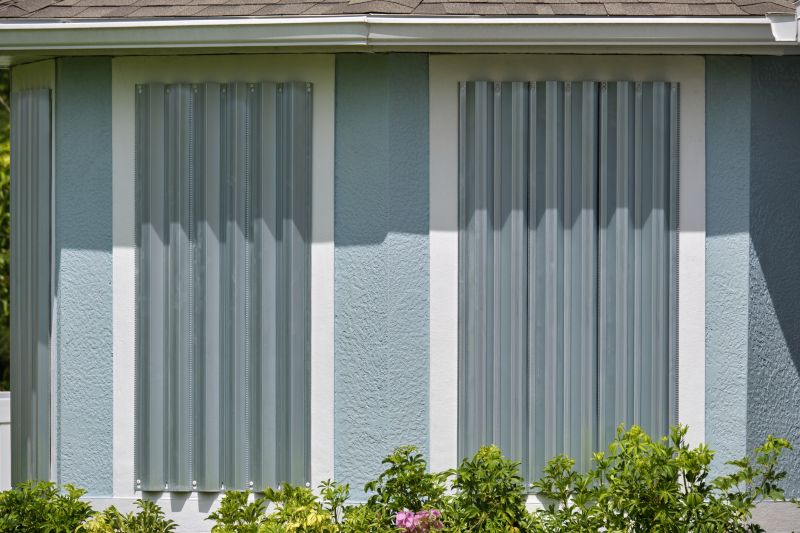
Popular materials for Storm Restorations and why they hold up over time.

Simple add-ons that improve Storm Restorations without blowing the budget.
| Season | Optimal Activities |
|---|---|
| Spring | Assess damage, perform minor repairs, prepare for storm season |
| Summer | Complete major repairs, reinforce structures |
| Fall | Final inspections, prepare for winter storms |
| Winter | Limited activity, focus on planning and minor fixes |
Storm restorations involve repairing damage caused by severe weather events such as high winds, heavy rain, hail, and flooding. These efforts are crucial for maintaining structural integrity and protecting property value. Proper timing ensures that restoration work is carried out safely and effectively, often preventing further damage and reducing costs associated with extensive repairs.
Statistics indicate that timely storm restorations can significantly reduce long-term damage costs and improve property resilience. For example, early repairs after storm events can prevent secondary issues like mold growth, wood rot, and structural weakening. Planning restoration activities during optimal weather windows enhances safety and project quality.
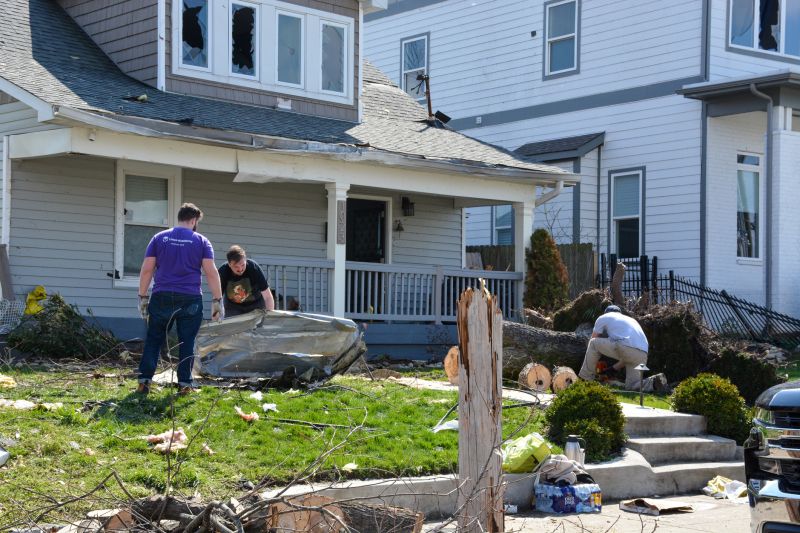
Restoring roofs, siding, and windows after storm damage.
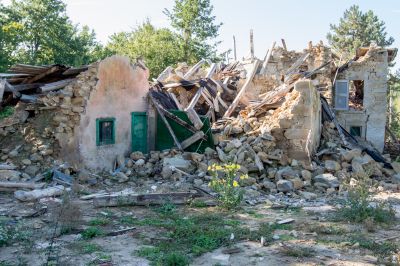
Strengthening vulnerable areas before storms strike.

Addressing flooding and water intrusion issues.
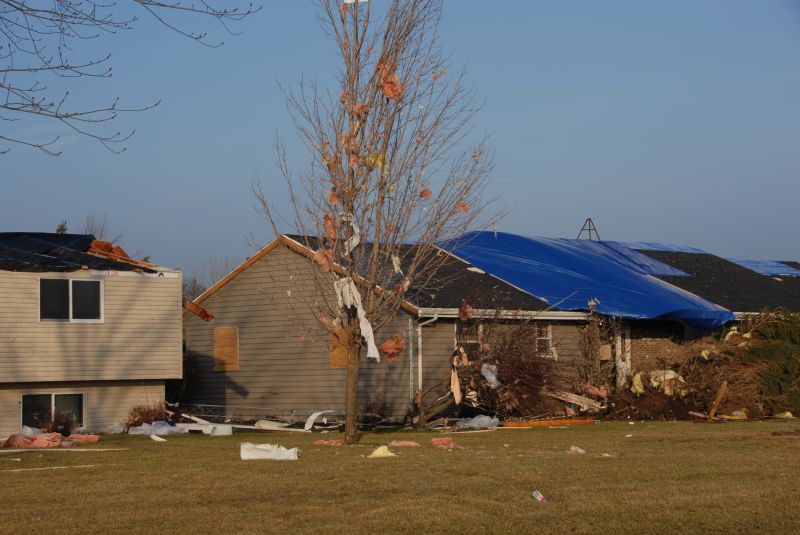
Rapid response to storm damage for quick recovery.

High-end options that actually feel worth it for Storm Restorations.

Finishes and colors that play nicely with Storm Restorations.

Little measurements that prevent headaches on Storm Restorations day.

A 60-second routine that keeps Storm Restorations looking new.

A frequent mistake in Storm Restorations and how to dodge it.

Small tweaks to make Storm Restorations safer and easier to use.
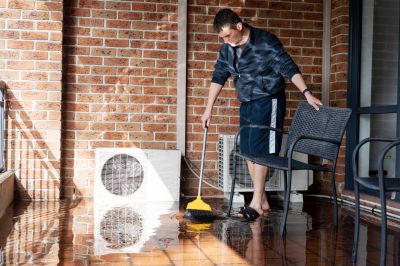
Lower-waste or water-saving choices for Storm Restorations.

The short, realistic tool list for quality Storm Restorations.
Individuals interested in storm restorations are encouraged to contact for assessments and planning. Proper timing and preparation can make a significant difference in minimizing damage and restoring properties efficiently.